

Every season I get the same question from parents at the gym, at games, in the parking lot: “Should my kid be doing speed training?” Usually it comes right after another parent told them their kid “has to” be doing it. And then they go online and find ten programs that all say they’re the best.
So here’s how we think about training kids at Stealth, what we’ve seen work over years of coaching young athletes in Arcadia, and what I’d look for if it were my own kid.
Is lifting safe for kids?
Yes. Coached well, it’s one of the safest things your kid can do, and it protects them from a lot of the injuries we see in youth sports.
The “lifting stunts your growth” thing has been around forever and it doesn’t hold up. What actually gets kids hurt is sloppy technique, too much weight too early, and nobody paying attention. Those are coaching problems.
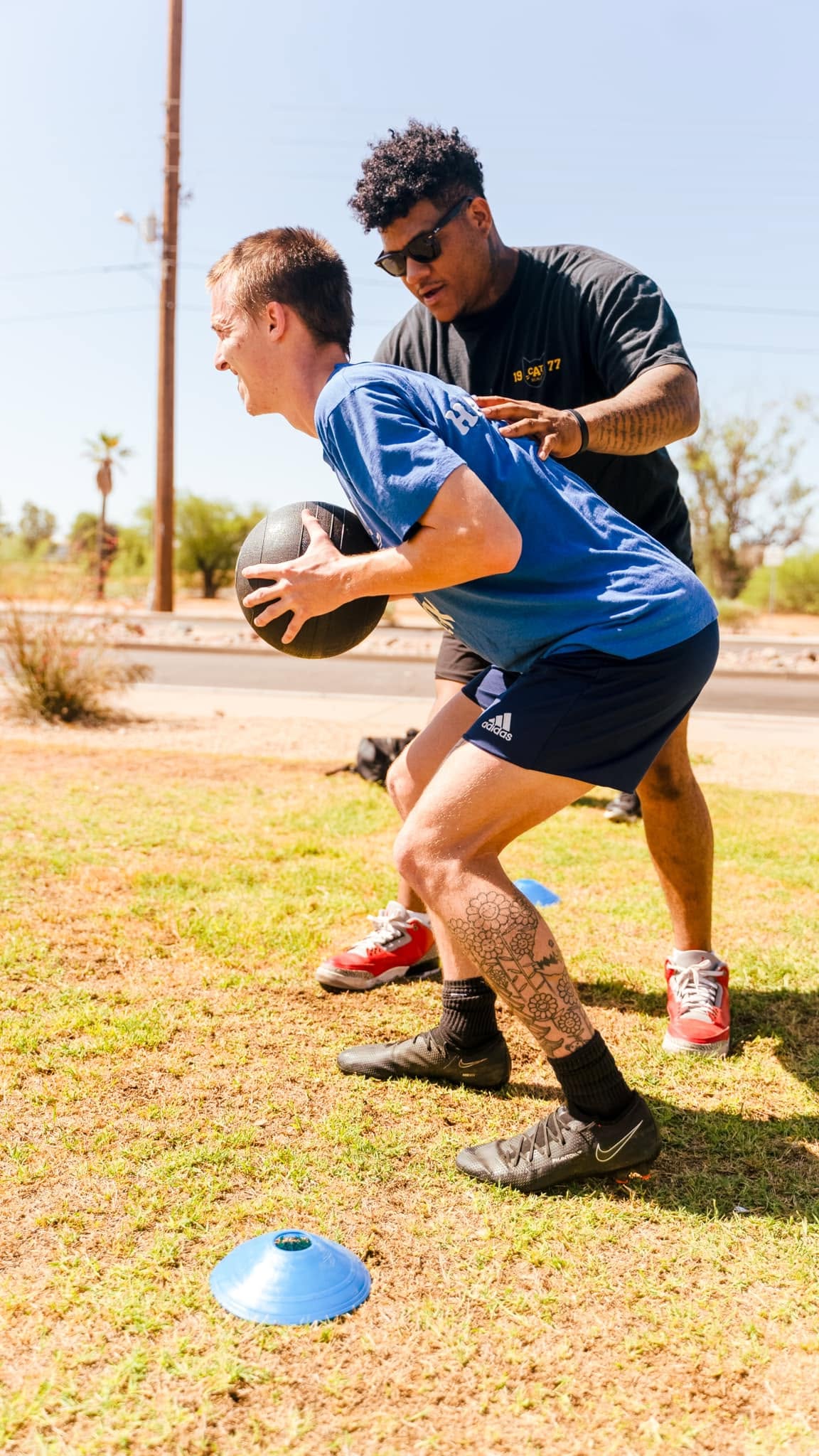
With our younger athletes most of the work is bodyweight, bands, med balls, jumps and learning to land. They’ll pick up a barbell when they’ve earned it, and that has a lot more to do with how they move than how old they are.
What we actually do
The programs that train pro athletes, the big names you’ve probably heard of, all start in the same place. Warm up the right way. Get the hips and core strong. Teach movement like a skill. Progress slowly. We do the same thing with a 10-year-old that we’d do with a pro, just scaled to where the kid is.
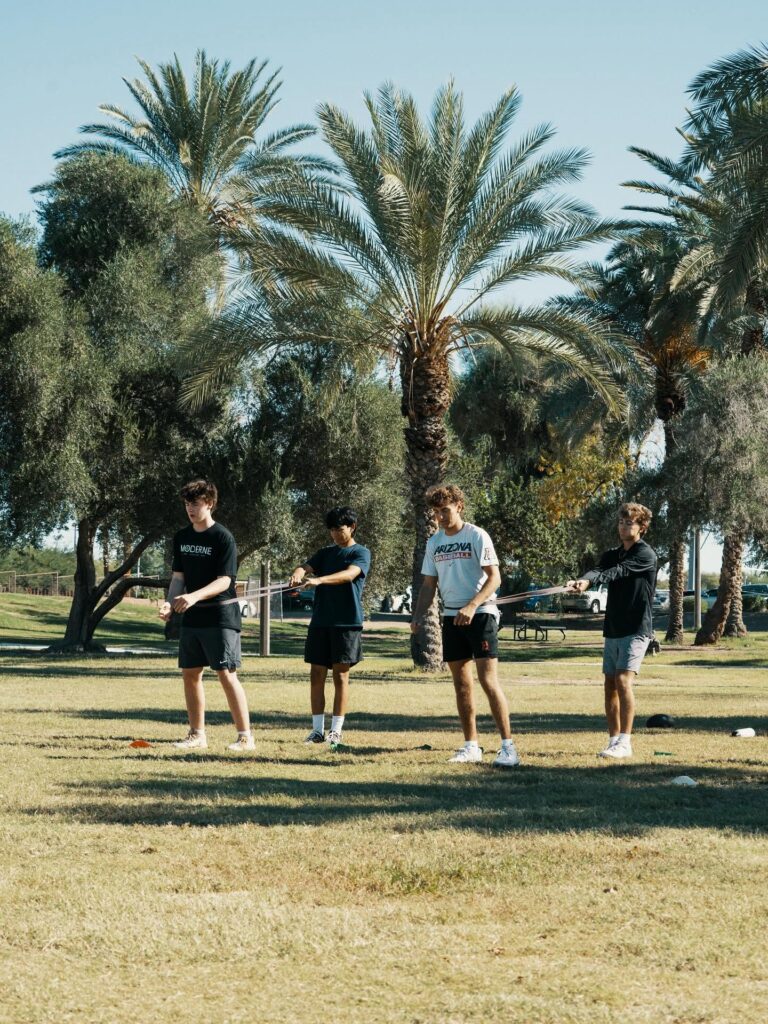
Our warm-up isn’t a lap around the parking lot. It’s 10 to 12 minutes of getting the hips, trunk and shoulders ready to sprint and jump. Kids think it’s the boring part. It’s actually where a lot of the injury prevention happens.
Then we spend a lot of time on jumping and, more importantly, landing. Soft knees, knees tracking over the toes, absorbing the hit. If you have a daughter in soccer, basketball or volleyball, this is the piece I’d care about most. ACL injuries in girls are way too common and a lot of them come down to how they land and cut.
How kids actually get faster
Speed is a skill. Genetics matter, sure, but I’ve watched plenty of kids get a lot faster just by learning to run right.
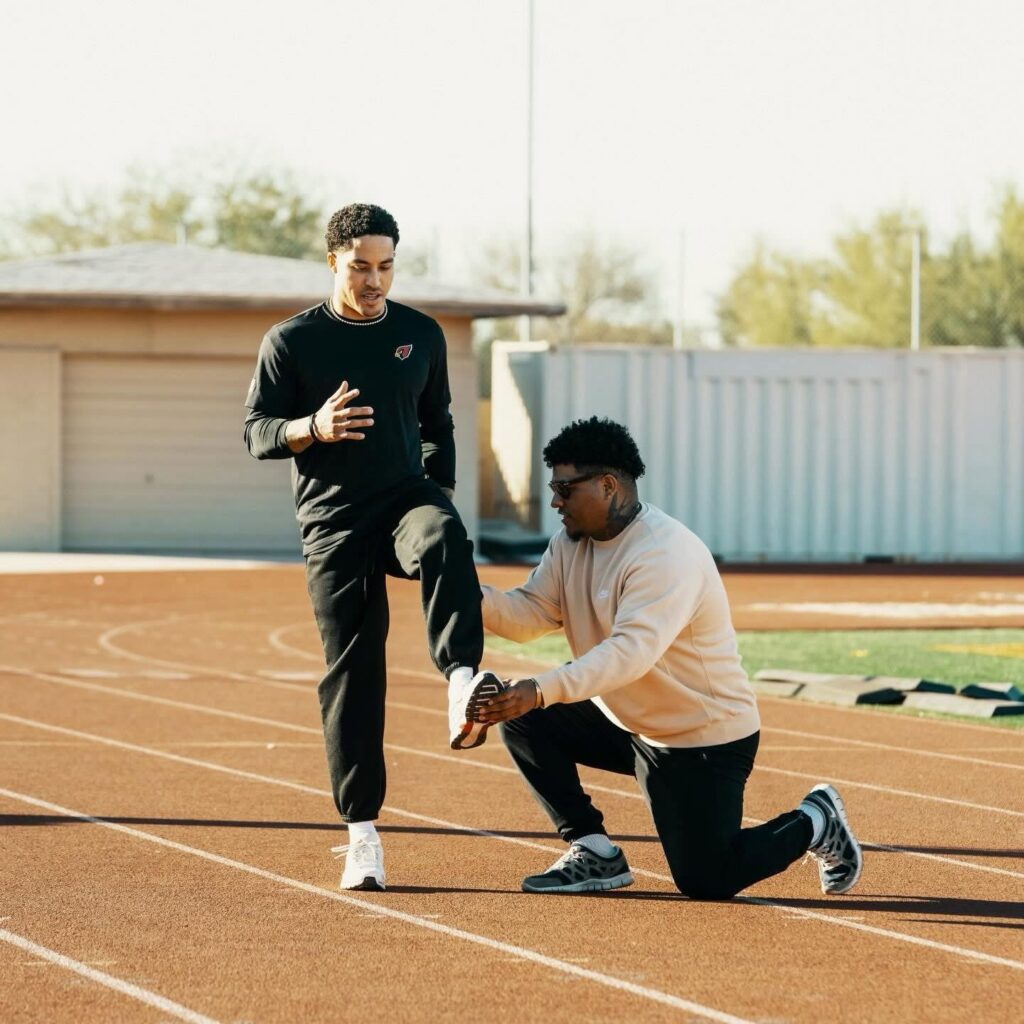
Most of the time we’re working on the first few steps. In almost every sport that’s what wins the play. How you lean, how hard you push the ground, what your arms are doing. We’ll film a start, show the kid, fix one thing, and go again.
The other big one: to get fast you have to practice being fast. Short sprints, all-out effort, full rest. If a kid is gassed and jogging through reps, all they’re learning is how to be tired. That’s the opposite of what a lot of “speed camps” do, where every session turns into conditioning. Conditioning has its place. It’s just not speed work.
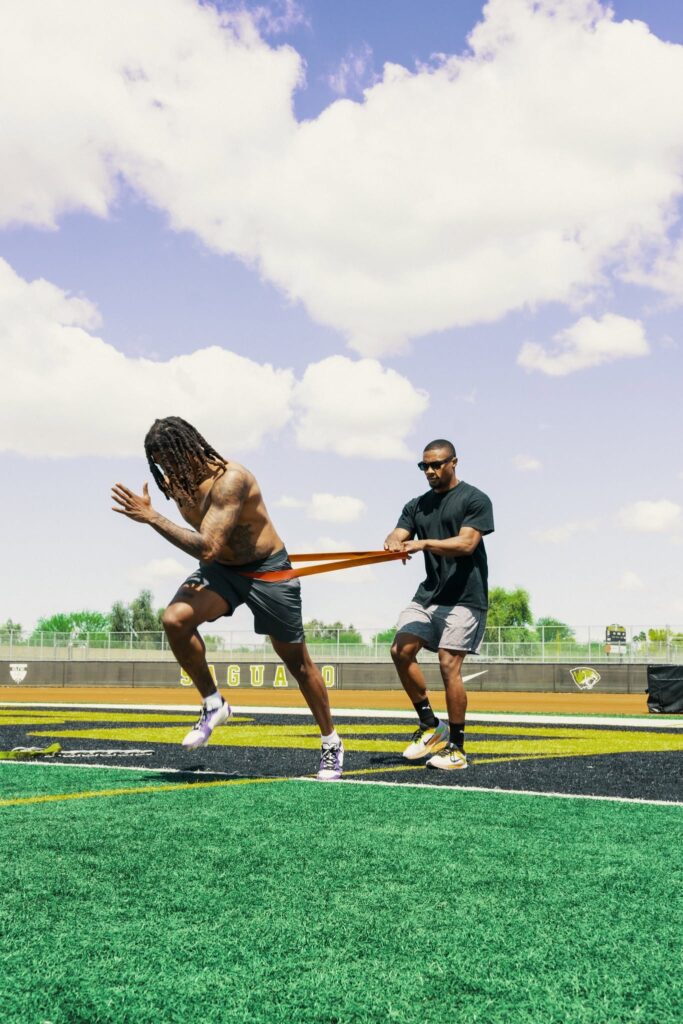
After that it’s change of direction (stopping, cutting, getting back up to speed without falling apart) and getting stronger so they can put more force into the ground. Sled pushes, jumps, the right lifts. More force, more speed. That part’s pretty simple.
Coaching-wise, we keep it to one or two cues per rep. Kids don’t need a physics lecture between sprints.
What changes with age
8 to 12. Foundation years. Balance, coordination, jumping and landing, sprint form, bodyweight strength. We keep it competitive and fun because a kid who likes coming in is a kid who keeps getting better.
13 and 14. This is the awkward-growth-spurt window. Kids get tall fast and lose some coordination for a while. Totally normal. We keep cleaning up movement, add more real strength work and start pushing speed and power a little harder.
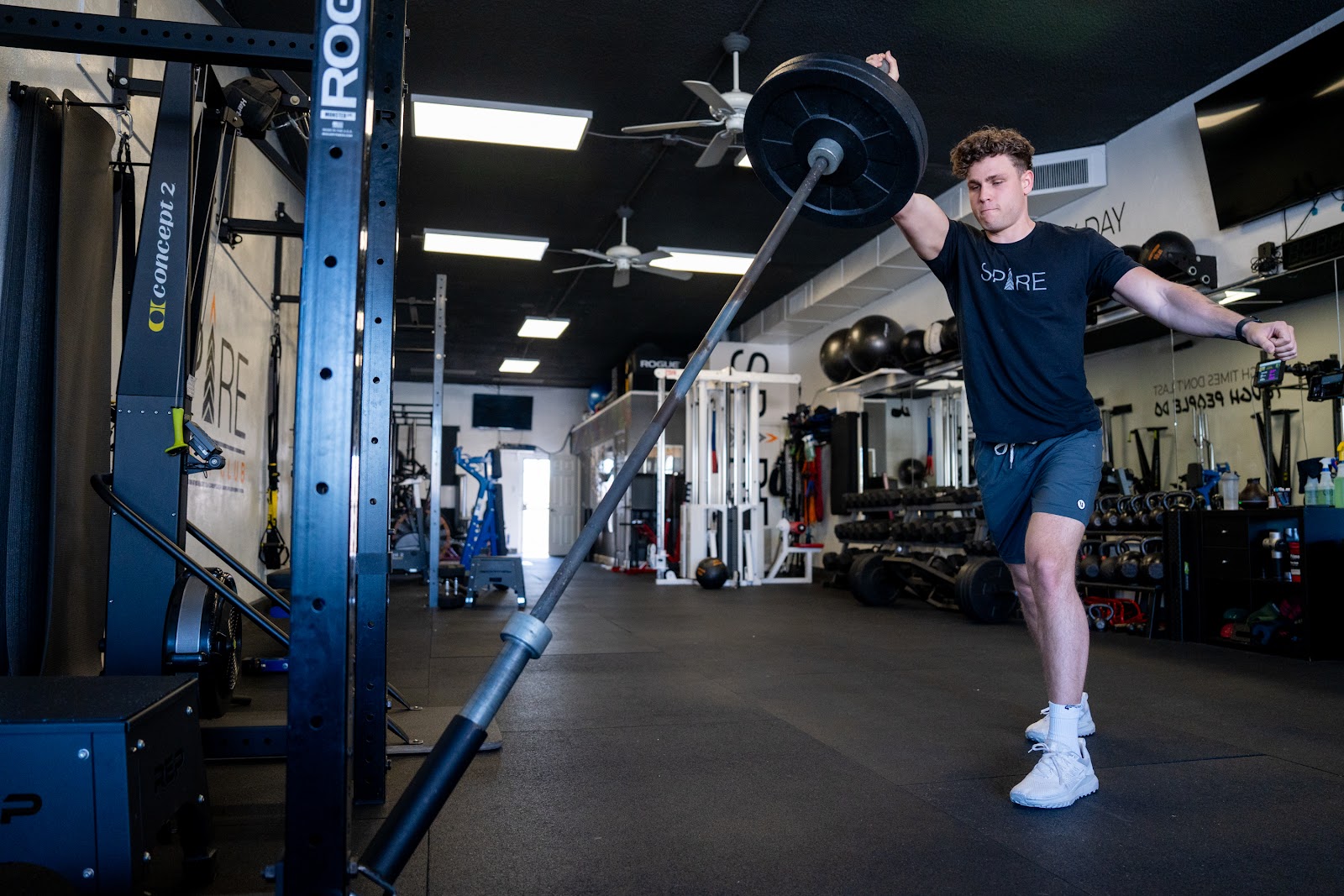
High school. Now they train like athletes. Sport-specific strength and power, barbell and sled work once the technique’s there, and everything planned around the season. Our Saturday speed and strength group is mostly high school athletes. Some of the kids who’ve come through here have gone on to full rides at the college level, and we’ve got NFL, NBA and MLB guys training in the same building. Our younger athletes see what the work looks like at that level, and honestly that rubs off on them.
In season vs. off season
Off season is when we build. More volume, more strength, more speed work. That’s where the big jumps happen.
In season we pull back on volume and keep them strong and fast without adding fatigue. A lot of kids here play two sports or year-round club, so we’re always looking at the calendar and asking how they feel. A kid with a tournament this weekend isn’t getting crushed on Thursday.
Not every kid is a sports kid
Some of my favorite kids to coach don’t play anything. They come in a little shy, not sure about the weights, and a few months later they’re the loudest one in the room when they hit a new box jump. Getting stronger changes how a kid carries themselves. You see it at school and you see it at home. If that’s your kid, they’ll fit in fine here.
If you’re shopping around
Wherever you end up, here’s what I’d watch for. If kids leave every session limping, that’s bad programming. Same if you see heavy lifting with ugly form and nobody fixing it, or 25 kids and one coach. Ask what the plan is for the next month. If they can’t tell you, there isn’t one. And if a 9-year-old and a senior are doing the exact same workout, keep looking.
What a session looks like here
Small groups, so a coach actually sees every rep. Warm-up, speed and jump work, then strength matched to the kid’s age and level, and usually something competitive to finish. Youth groups run Monday through Friday after school, mostly 3:30 and 4:30, and there’s the Saturday session for high schoolers.
Questions parents ask us
How young can they start? We coach kids from 8 up through high school.
Will lifting hurt their growth? No. Coached strength training is safe and it helps protect them. We start light and only add weight as their technique gets better.
My kid isn’t very athletic. Is this for them? Yes. A lot of our kids started that way.
How often should they come? Twice a week is a great start. High school athletes in their off season usually do three.
Do you train girls? Yes, and the jumping, landing and cutting work matters even more for them.
How do we start? Book a free youth session. We’ll ask about their sport, goals and schedule and put them in the right group.
Youth training in Arcadia
We’re at 3927 E Indian School Rd in Arcadia and work with families from Phoenix, Scottsdale, Paradise Valley and Tempe. You can see more on our youth programs page and our high school speed and strength page, or just call or text us at (760) 574-0923.